Tattoo Styles
The style you choose shapes everything — how the piece reads across the room, what it costs to sit for, and how it looks in twenty years. Each guide below explains what defines the style, the subjects it suits best and how it ages, with a free AI generator to try it on your own idea.
All 14 style guides
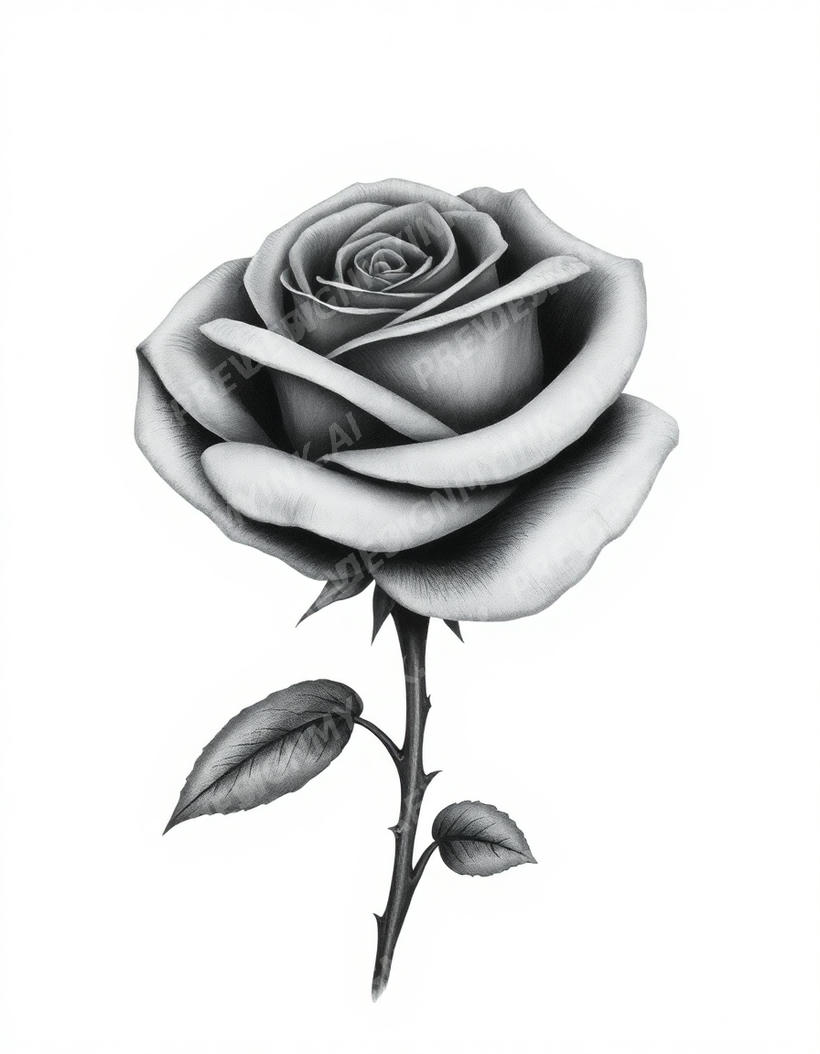 Black & Grey Realism
Photo-real, smooth shading, high contrast.
Black & Grey Realism
Photo-real, smooth shading, high contrast.
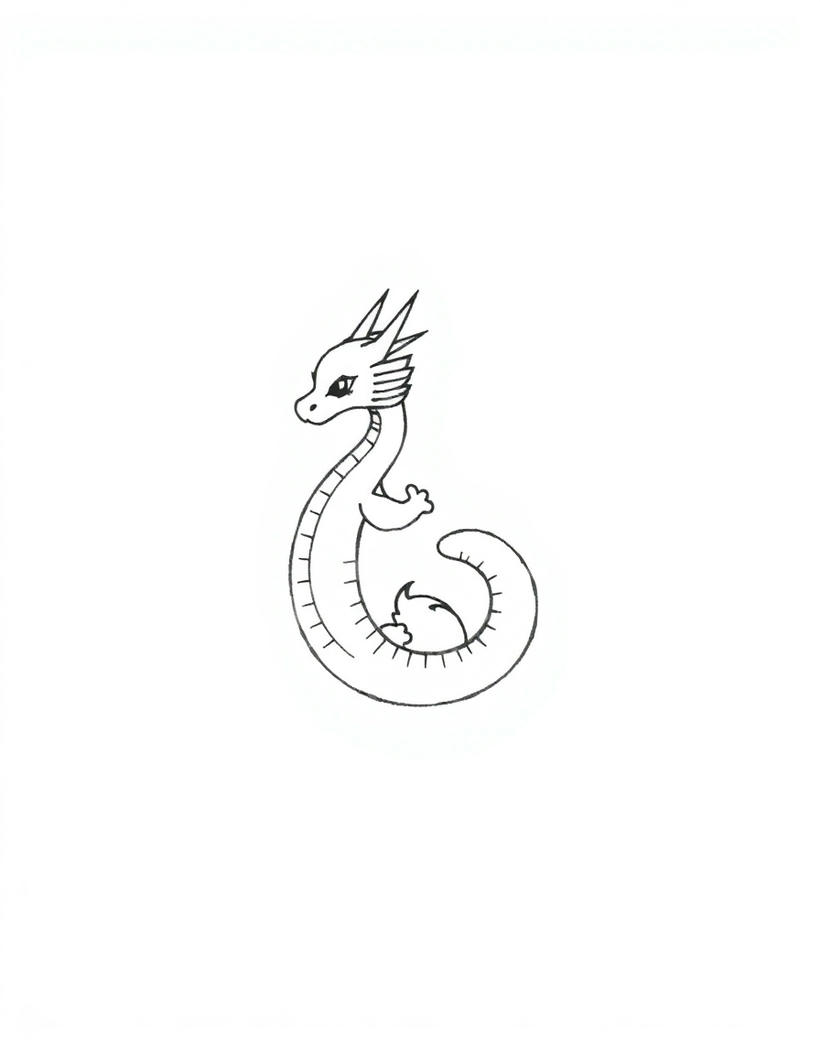 Fine Line
Single-needle thin linework, lots of space.
Fine Line
Single-needle thin linework, lots of space.
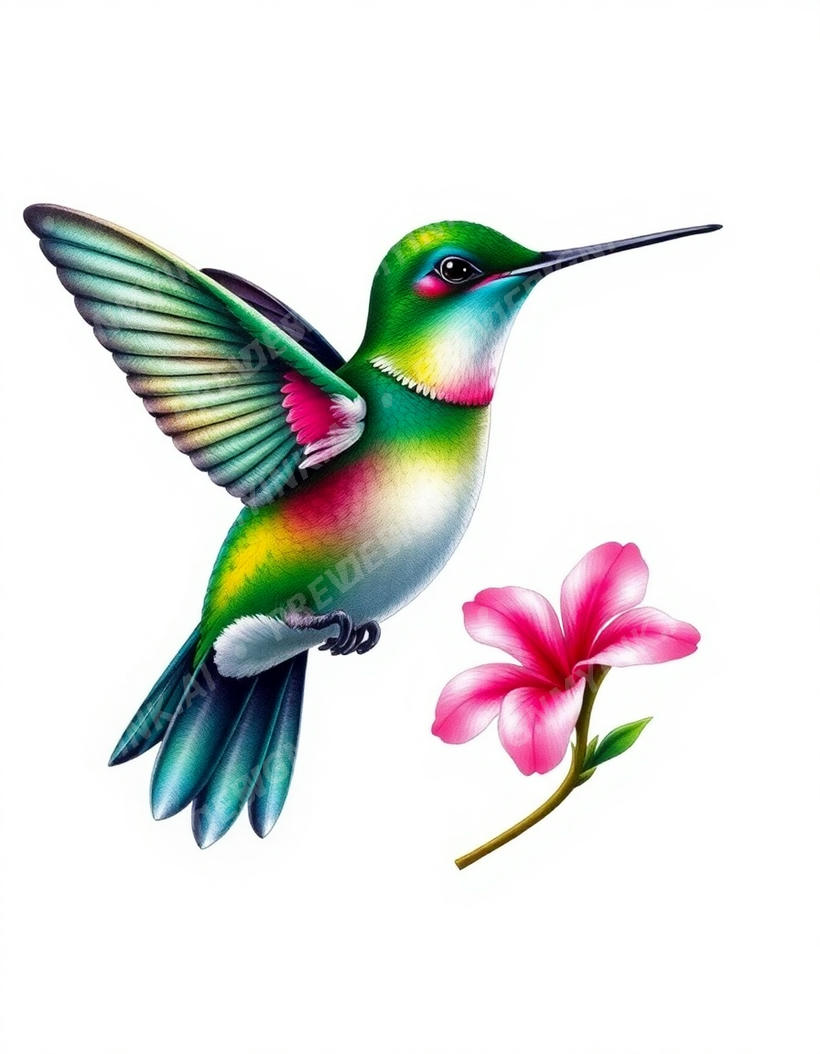 Colour Realism
Vivid, saturated, photoreal colour.
Colour Realism
Vivid, saturated, photoreal colour.
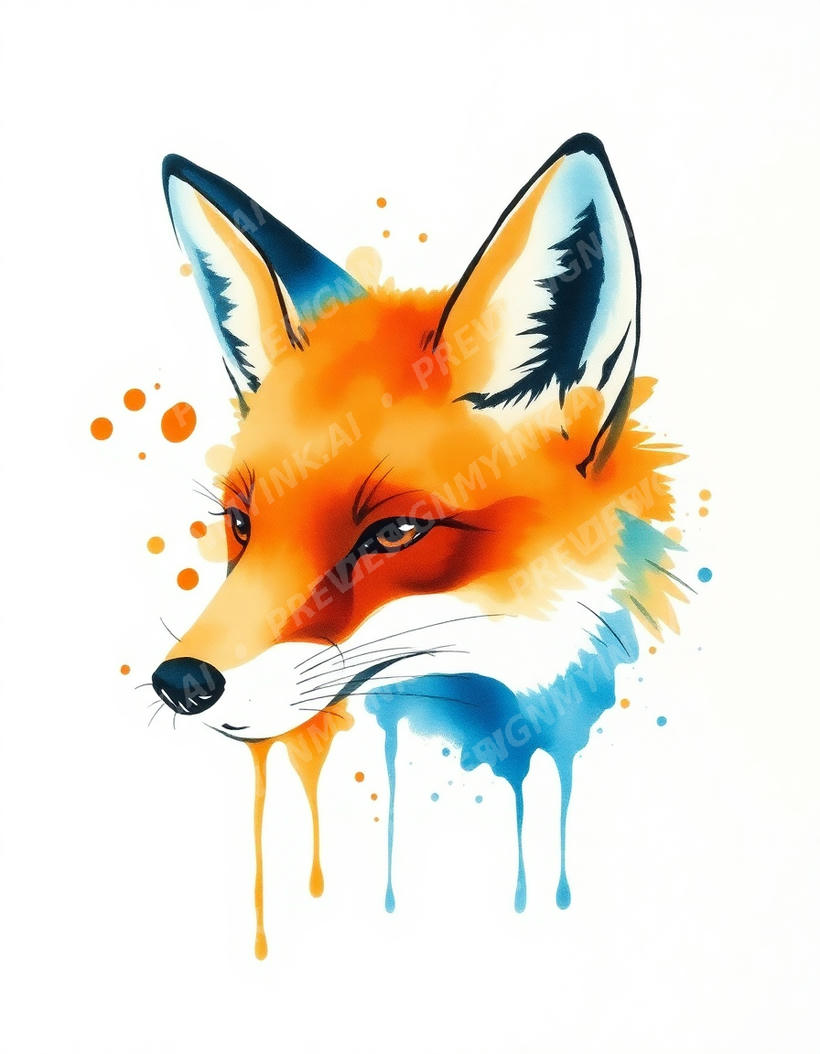 Watercolour
Soft washes, splashes, painterly bleed.
Watercolour
Soft washes, splashes, painterly bleed.
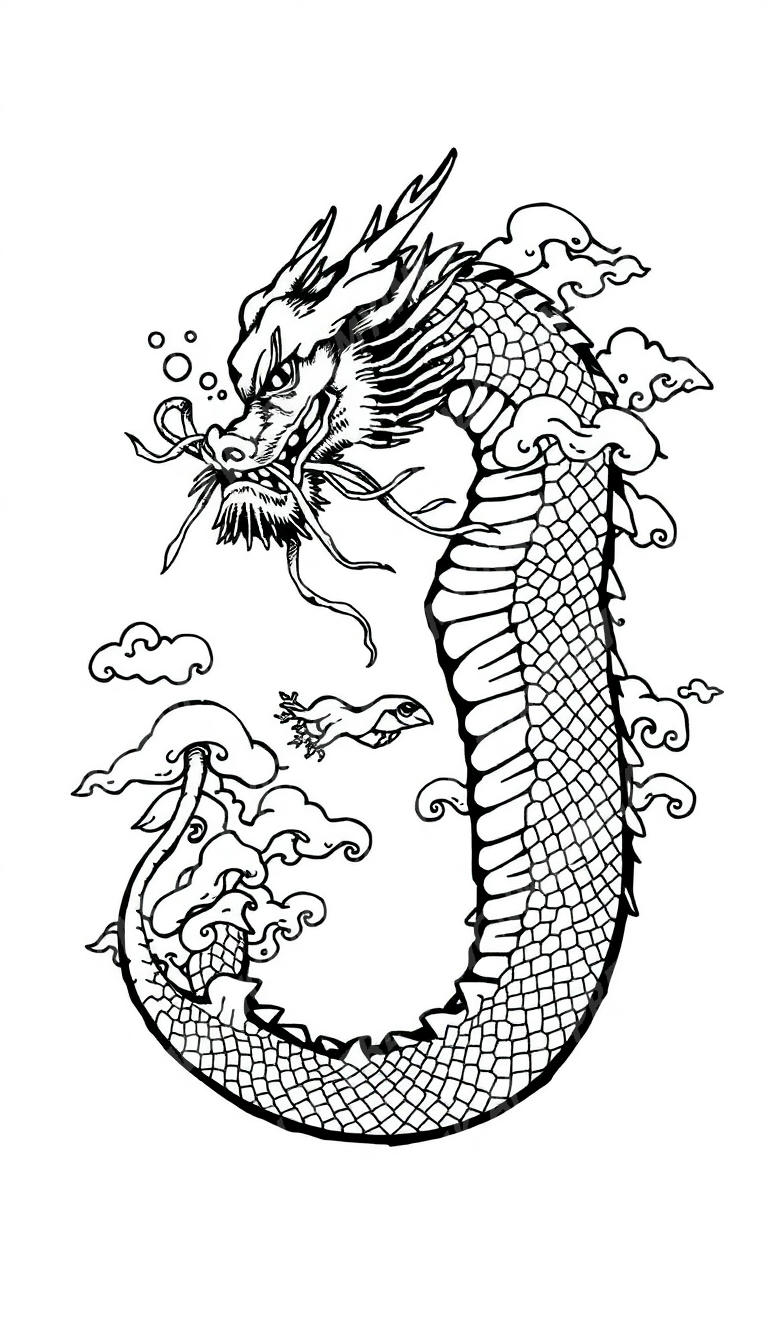 Japanese (Irezumi)
Bold outlines, waves, ukiyo-e influence.
Japanese (Irezumi)
Bold outlines, waves, ukiyo-e influence.
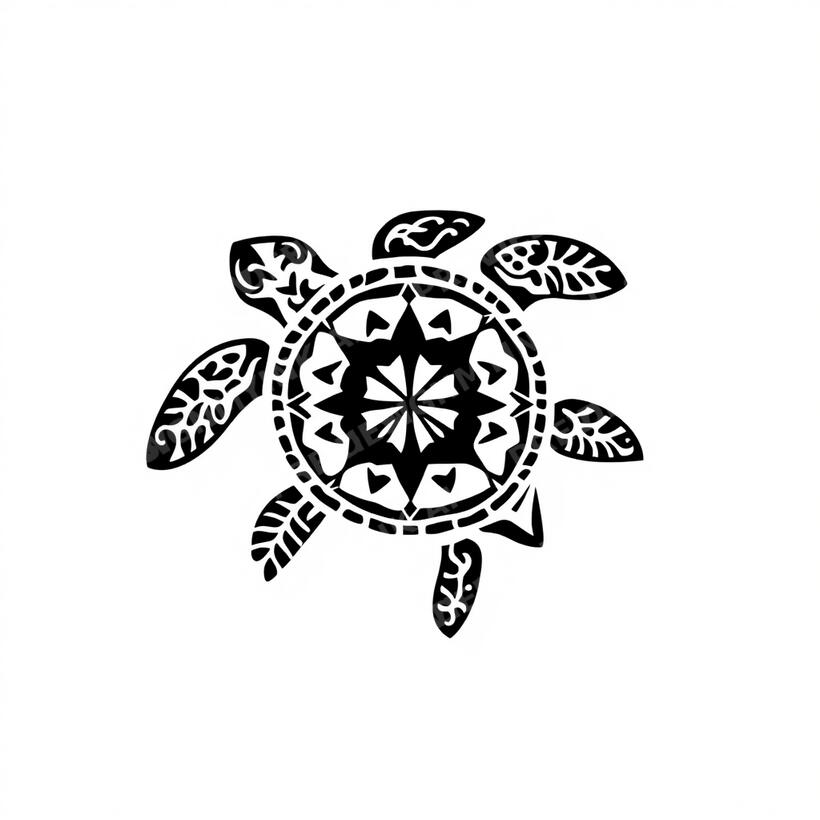 Polynesian / Samoan
Solid black tatau patterns, symmetrical.
Polynesian / Samoan
Solid black tatau patterns, symmetrical.
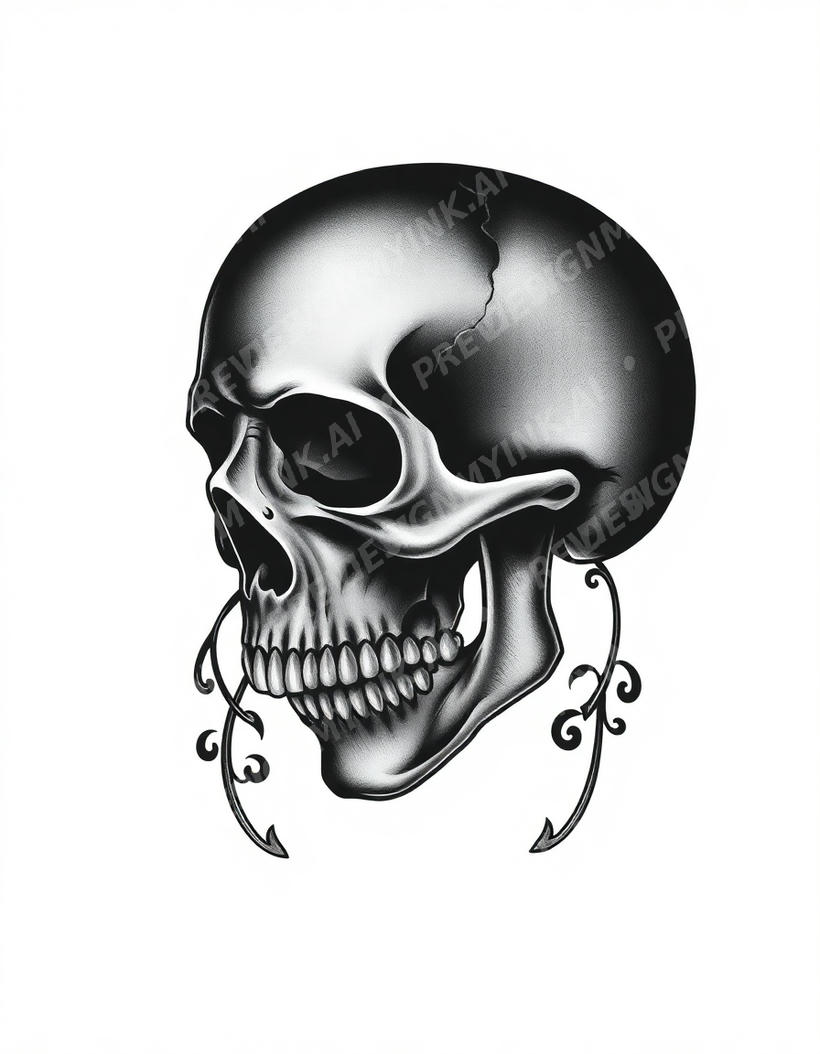 Gothic / Dark
Macabre, heavy shadow, dramatic.
Gothic / Dark
Macabre, heavy shadow, dramatic.
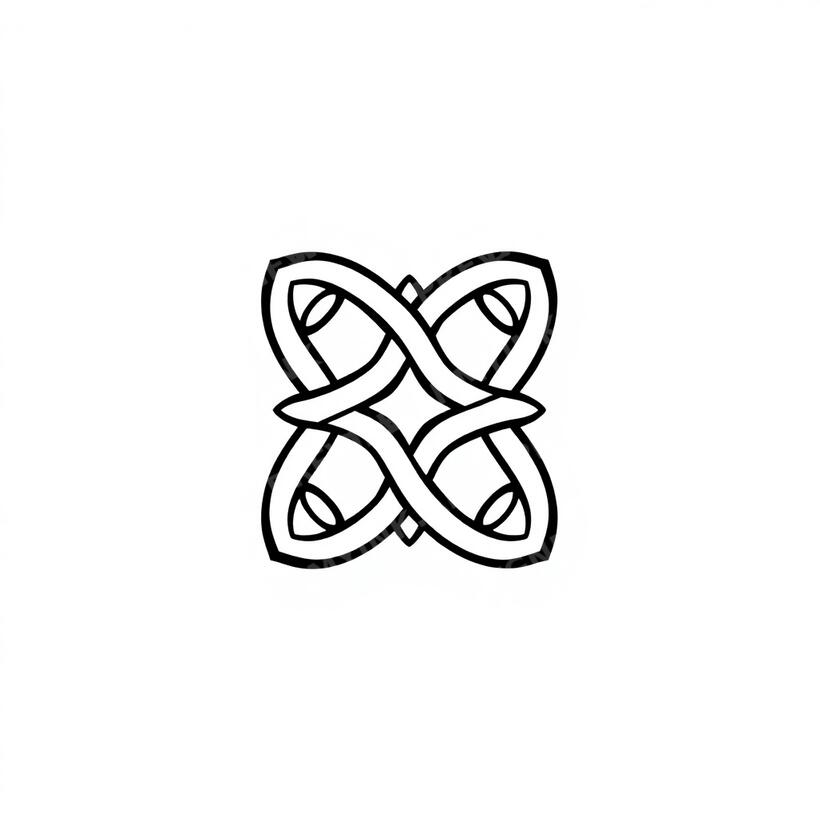 Celtic Knotwork
Interlaced endless knots, bold bands.
Celtic Knotwork
Interlaced endless knots, bold bands.
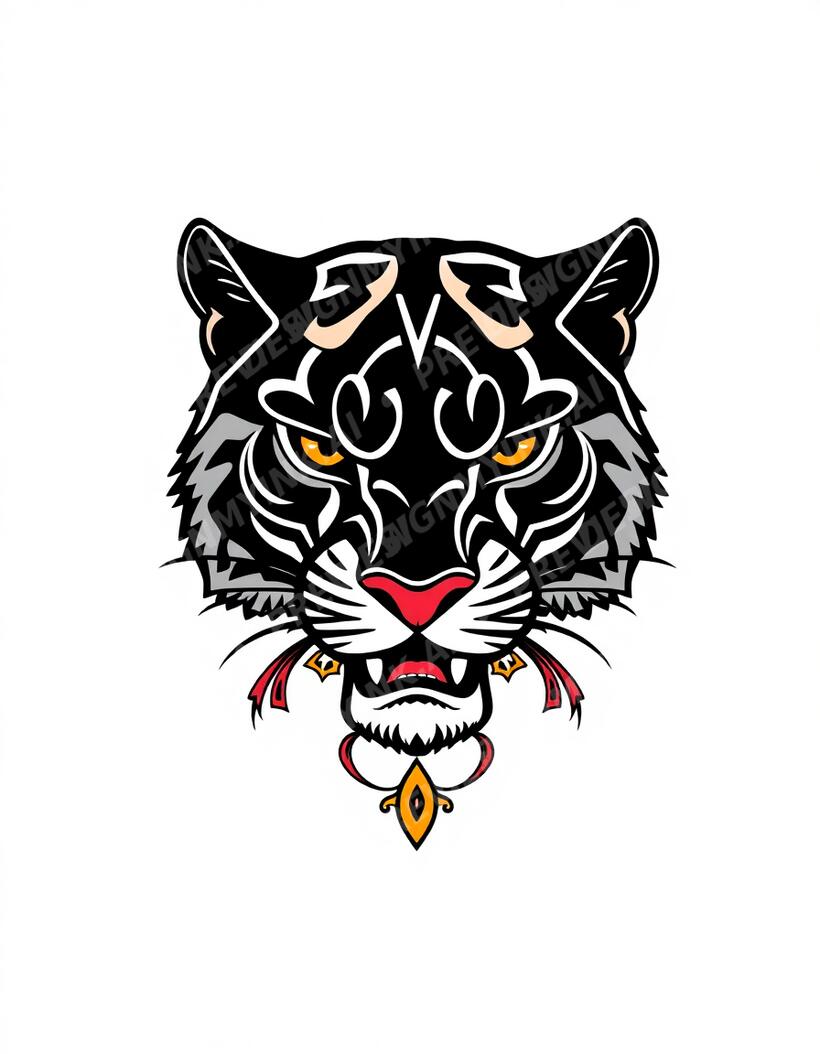 Neo-Traditional
Bold outlines, rich vivid colour, ornate.
Neo-Traditional
Bold outlines, rich vivid colour, ornate.
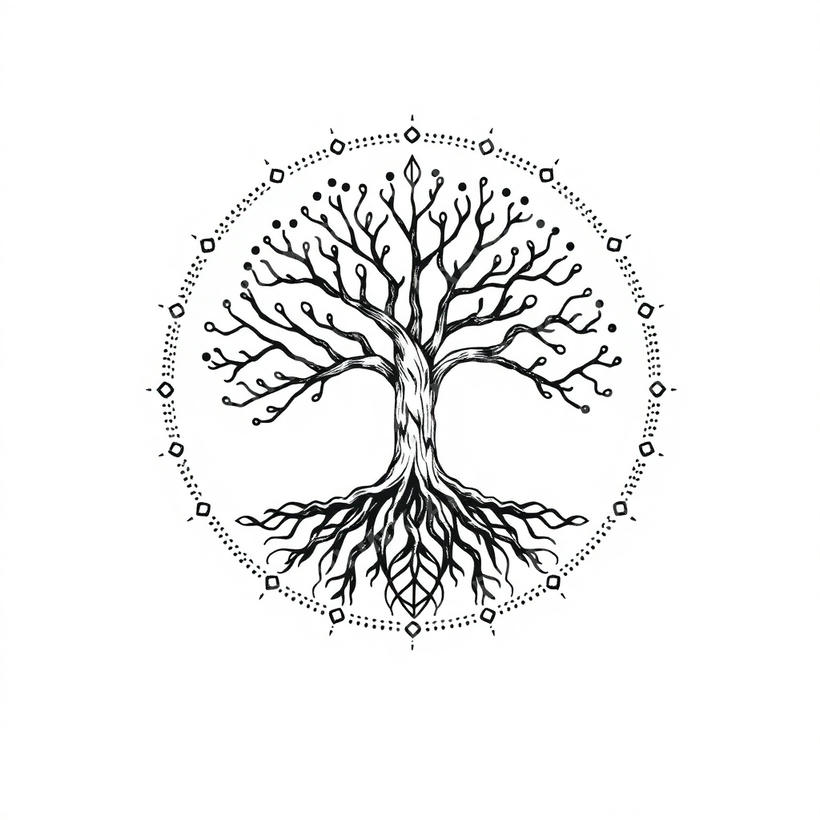 Dotwork / Geometric
Stippling, sacred geometry, mandala.
Dotwork / Geometric
Stippling, sacred geometry, mandala.
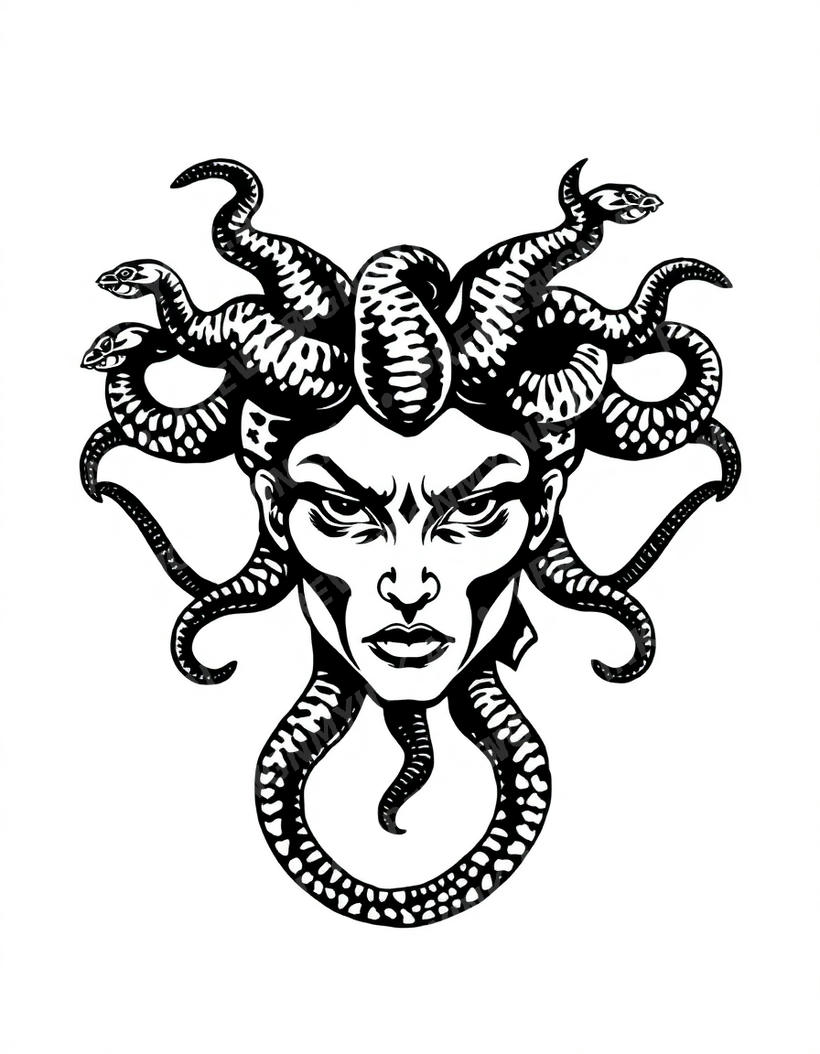 Blackwork
Bold solid black fills, high contrast.
Blackwork
Bold solid black fills, high contrast.
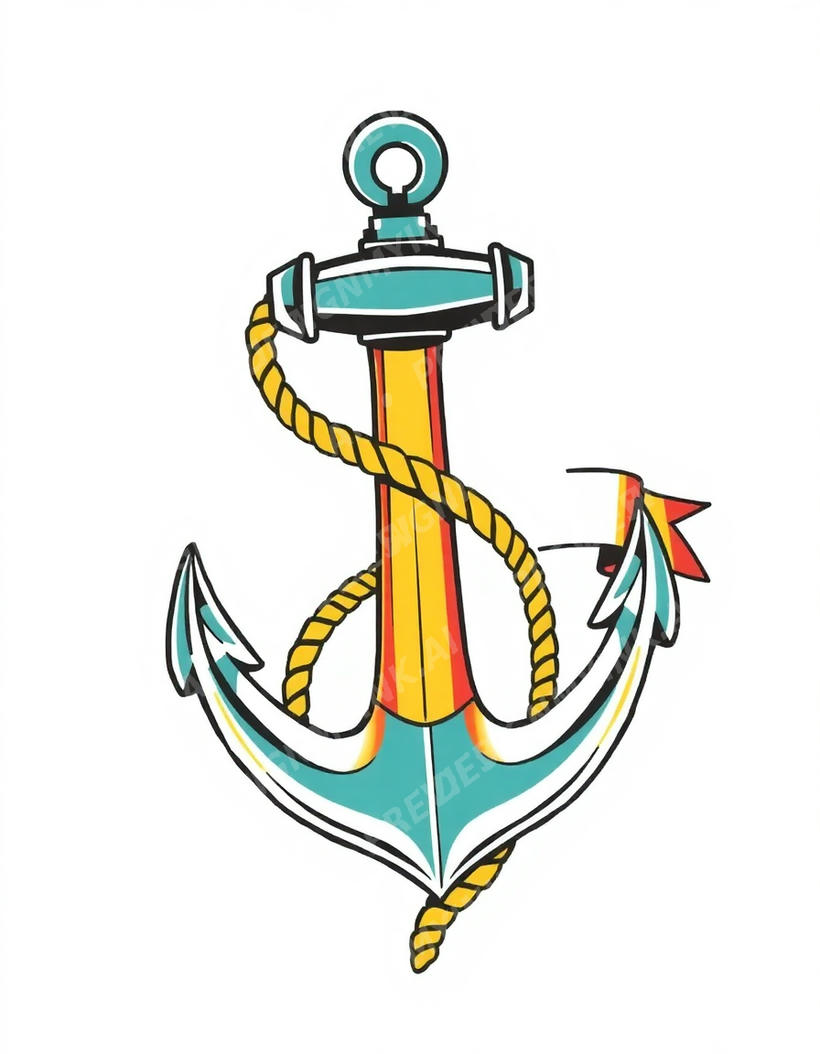 Old School
American traditional, Sailor Jerry bold.
Old School
American traditional, Sailor Jerry bold.
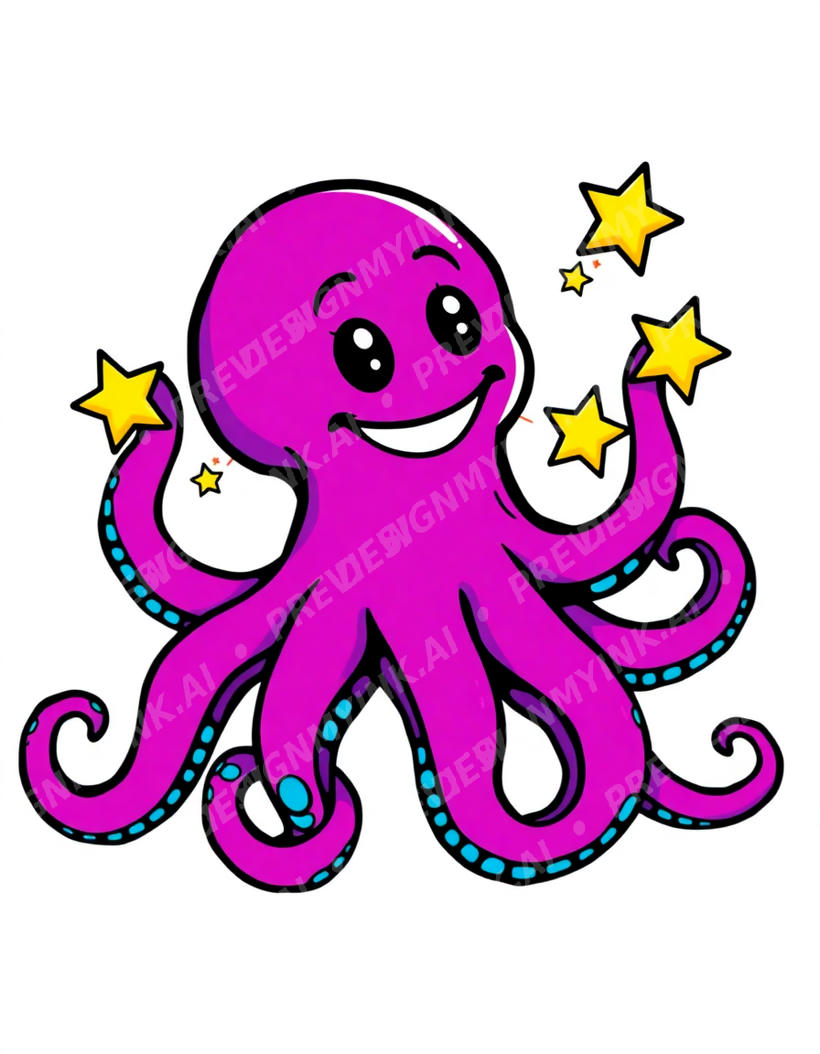 New School
Graffiti energy, wild cartoon colour.
New School
Graffiti energy, wild cartoon colour.
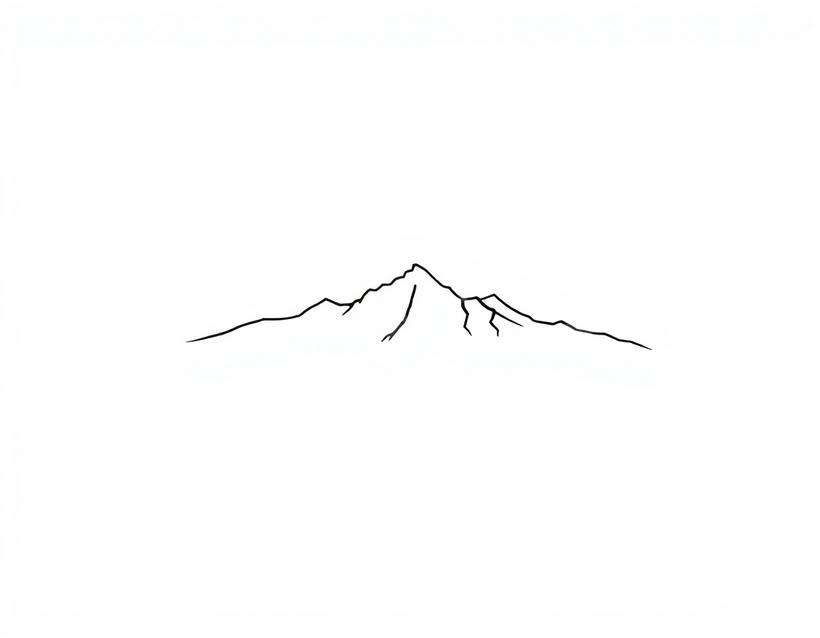 Minimalist
Tiny, single thin line, understated.
Minimalist
Tiny, single thin line, understated.
How to choose a style
Start from the subject. Portraits and animals lean realism; script leans lettering or fine line; symbols and geometry suit dotwork, blackwork or minimalist.
Think about ageing. Bold outlines and solid black last longest; fine single-needle lines and pale watercolour washes soften sooner and reward careful placement.
Try it before you commit. Generate the same idea in two or three styles — seeing your own subject rendered each way beats any description.